The Brazilian Butt Lift (BBL) is a plastic surgery procedure designed to enhance the appearance and shape of the buttocks. It involves transferring fat from other areas of the body — such as the abdomen, back, or thighs — to the buttocks to increase volume and improve contour.
The Brazilian Butt Lift (BBL) is suitable for patients who wish to improve the volume and contour of their buttocks. Typical candidates are those who want to:
It is important to note that BBL is a complex surgical procedure that carries risks and must be individually assessed by an experienced and qualified plastic surgeon. The surgeon will evaluate the patient’s health condition, aesthetic goals, and expectations to determine whether the BBL is the most appropriate and safe option.
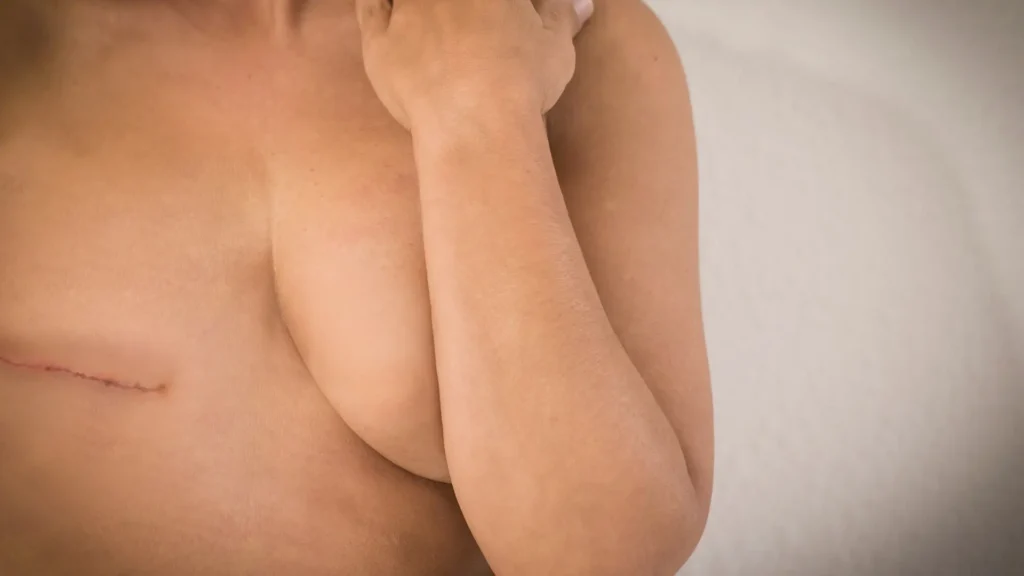
The scars resulting from a Brazilian Butt Lift are typically small and discreet, as the procedure is performed through tiny incisions used for liposuction and fat injection.
These incisions are strategically placed in natural skin folds or areas easily concealed by underwear.
However, healing varies from person to person and depends on factors such as genetics, age, skin type, and incision size and depth. It is essential to follow the surgeon’s instructions carefully to ensure proper healing and minimise scar visibility.
During the procedure, the surgeon removes fat from selected areas using liposuction and then injects the purified fat into the buttocks, sculpting and shaping them to achieve the patient’s desired contour.
The result is firmer, rounder, and more voluminous buttocks.
As the BBL is a complex surgery, it must be performed by a skilled and experienced plastic surgeon to ensure both safety and satisfactory results.
When performed with large fat volumes, ultrasound guidance should be used for added safety. Always ensure that your plastic surgeon is properly qualified to perform this procedure.
Strict post-operative care is essential for proper recovery and long-term maintenance of results.
Three main types of anaesthesia may be used for a Brazilian Butt Lift, depending on the patient’s health, preferences, and surgical plan:
General anaesthesia: The most common option, keeping the patient fully asleep and pain-free during the procedure.
Epidural anaesthesia: A regional anaesthesia injected into the lower spine to numb the lower body while the patient remains awake and comfortable.
Local anaesthesia with sedation: A less common option in which the treated areas are numbed with local anaesthetic and the patient receives mild sedation to stay relaxed throughout the surgery.
The choice of anaesthesia depends on the patient’s individual needs and the surgeon’s professional evaluation regarding safety and effectiveness.
The main benefits of the Brazilian Butt Lift include:
Increased volume and projection:
The fat transfer allows for a fuller, rounder, and more projected buttock appearance tailored to the patient’s goals.
Improved shape and contour:
BBL refines the gluteal silhouette, correcting asymmetries or irregularities and enhancing balance and proportion.
Long-lasting results:
The transferred fat becomes a permanent part of the body, making results long-term, provided a stable weight is maintained.
Enhanced self-confidence:
Patients often experience greater body satisfaction and improved self-esteem following surgery.
Fat reduction in other areas:
Because fat is harvested through liposuction, the procedure also sculpts other areas such as the abdomen, back, or thighs — resulting in an overall more defined body contour.
A careful post-operative routine is essential to ensure safe recovery and prevent complications.
Most patients can return to work after approximately two weeks.
Post-surgical care is vital for a safe and effective recovery. Recommended measures include:
Compression garments:
Wearing compression clothing helps reduce swelling and inflammation in the treated areas.
Avoid sitting or lying directly on the buttocks:
Patients should avoid pressure on the buttocks for the first two weeks to allow proper fat integration.
Avoid intense physical activity:
Refrain from heavy exercise during the first few weeks to support recovery and minimise complications.
Medication:
Take prescribed antibiotics and pain relief as instructed to control discomfort and prevent infection.
Lymphatic drainage:
Manual drainage sessions can help reduce swelling and promote healing.
Healthy diet:
Maintain a balanced diet rich in nutrients to support tissue repair and recovery.
Follow-up consultations:
Attend regular post-operative visits to monitor healing and address any early issues or concerns.
Following all post-operative instructions from the surgeon is essential to ensure a safe recovery and achieve the best possible long-term results.