Facelift surgery, also known as rhytidectomy, is a cosmetic surgical procedure performed to rejuvenate the appearance of the face and neck. The procedure involves removing excess skin and fat from the face and neck, tightening the underlying muscles and tissues, and repositioning the skin to create a smoother and more youthful appearance.
The procedure helps address common signs of ageing, such as skin laxity, wrinkles, and facial volume loss. A facelift can be customised to meet the patient’s individual needs and goals and can be combined with other cosmetic procedures, such as eyelid surgery, brow lift, or neck lift, for a more comprehensive rejuvenation.
A facelift is usually performed under general anaesthesia and may take several hours, depending on the extent of the surgery. Recovery time varies, but most patients can return to work and normal activities within two to three weeks after the procedure. It is important to follow the surgeon’s postoperative care instructions and attend follow-up appointments to monitor progress and address any concerns that may arise.
A facelift is typically recommended for individuals who show visible signs of ageing in the face and neck, such as sagging skin, deep lines and wrinkles, double chin, and facial volume loss.
The procedure is most effective for individuals between 40 and 70 years old but can also be performed on younger or older patients depending on their needs and goals.
Candidates for a facelift should:
It is essential to consult a qualified and experienced plastic surgeon to determine whether a facelift is appropriate for your individual situation. The surgeon will evaluate your medical history, assess your facial anatomy, and discuss the risks and benefits of the procedure to help you make an informed decision.
Facelift scars are generally well hidden and usually become barely noticeable over time. The exact location and extent of the scars depend on the specific technique used and the patient’s needs.
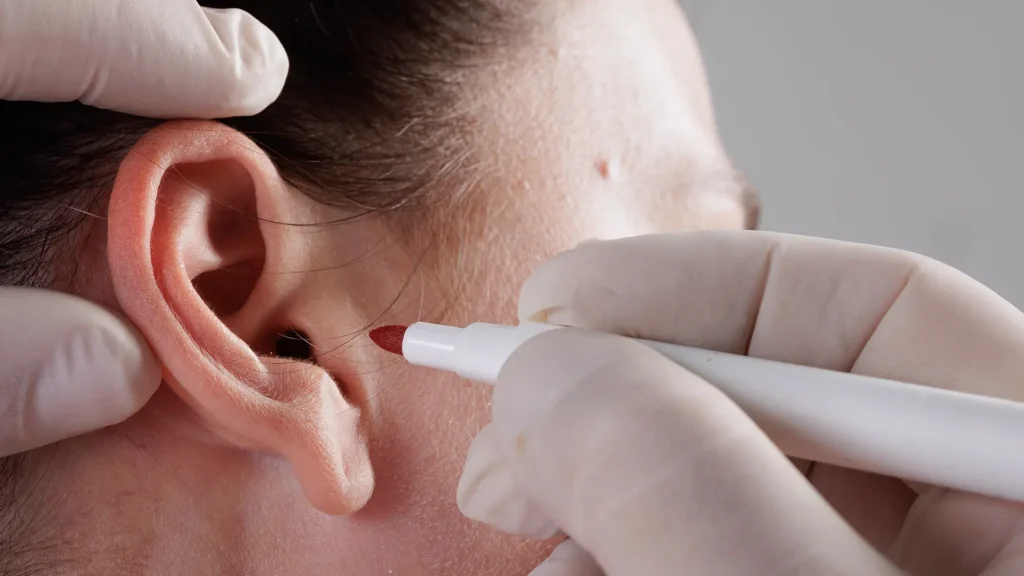
In a traditional facelift, incisions are typically made along the hairline, starting at the temples, continuing in front of the ear, and ending at the lower scalp. The incision may also extend behind the ear to further conceal the scar. In some cases, an additional incision may be made under the chin to treat the neck area.
It is important to follow the surgeon’s scar care instructions after surgery, which may include keeping the incisions clean and avoiding direct sunlight or UV radiation that can interfere with healing. Over time, scars generally fade and may become almost invisible.
The surgical steps of a facelift may vary depending on the technique used by the surgeon and the patient’s specific needs. However, a traditional facelift generally involves the following steps:
The specific steps of the procedure can be modified depending on the patient’s needs and the surgeon’s expertise. Consulting a qualified plastic surgeon is essential to understand the procedure and ensure it aligns with the patient’s goals.
Facelift surgery is generally performed under general anaesthesia, meaning the patient is fully asleep and unconscious during the operation. The choice of anaesthesia depends on several factors, including the patient’s overall health, the extent of the surgery, and the surgeon’s preference. The anaesthesia plan is discussed during the preoperative consultation, where the patient can ask questions and address any concerns.
Facelift results may vary depending on the patient’s needs, goals, and the surgical technique used. Common benefits include:
To help maintain results, patients should adopt a healthy lifestyle, including a balanced diet, regular exercise, and consistent sun protection.
Recovery after a facelift varies depending on the extent of the surgery and each patient’s healing process. In general:
Following the surgeon’s postoperative instructions is essential for smooth and successful recovery. This includes avoiding smoking, certain medications or supplements that increase bleeding risk, and keeping the incisions clean and dry.
Postoperative care is a crucial part of facelift recovery:
By following these postoperative care recommendations, patients can ensure a smooth recovery and achieve the best possible results from their facelift surgery.