What is it
Mentoplasty is a surgical procedure that involves modifying the chin, either to increase or reduce its size. The goal is to improve facial harmony and aesthetics, especially in relation to other facial features.
Mentoplasty can be performed for several reasons, including:
- Correction of a receded or underdeveloped chin
- Reduction of a prominent chin
- Correction of facial asymmetry
- Harmonisation of the facial profile
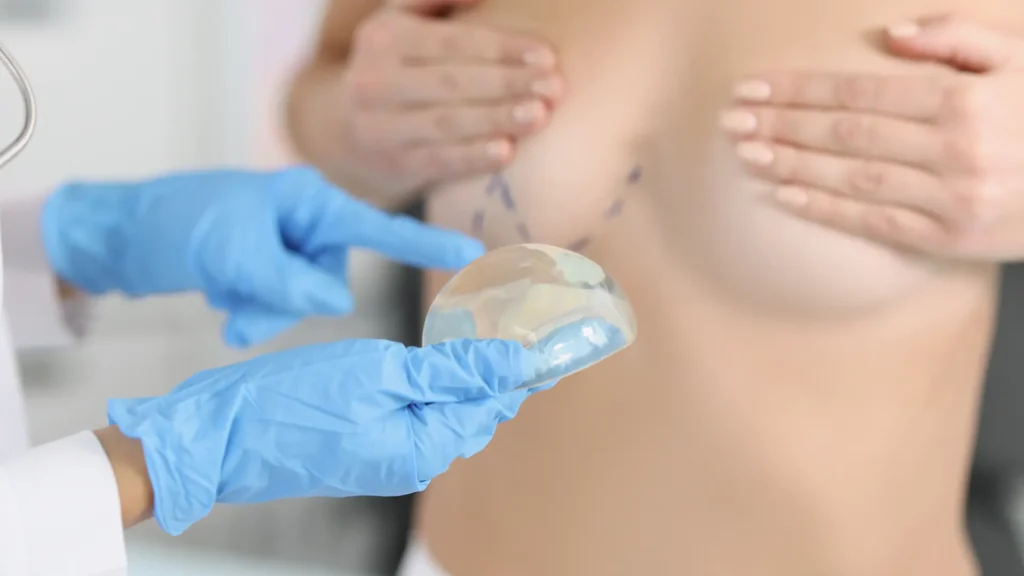
The procedure can be carried out in two ways: by inserting a silicone implant or by performing bone reduction of the chin. The chosen method depends on the patient’s individual characteristics and desired results.
Mentoplasty can be performed alone or in combination with other plastic surgery procedures, such as rhinoplasty or eyelid surgery. It is important to remember that mentoplasty is a surgical procedure and, as with any surgery, carries risks and potential complications. Therefore, it must be performed by a qualified and experienced plastic surgeon.
Who is it for
Mentoplasty is indicated for patients who wish to improve the appearance of the chin and facial profile, whether for aesthetic reasons or to correct congenital or acquired deformities.
Some common reasons for undergoing mentoplasty include:
- Small or receded chin: When the chin is underdeveloped in relation to the rest of the face, mentoplasty can increase its size and restore facial balance.
- Prominent chin: When the chin is excessively projected, mentoplasty can reduce its size and improve facial harmony.
- Facial asymmetry: The procedure can correct chin misalignment and asymmetry.
- Post-trauma or congenital deformities: Mentoplasty can correct chin deformities caused by accidents or congenital conditions.
In general, mentoplasty is indicated for healthy adults with realistic expectations about the results. The decision to undergo the procedure should be made with an experienced plastic surgeon who can evaluate individual needs and determine if the surgery is suitable.
Scars
The scars from mentoplasty depend on the type of procedure performed. There are two main techniques: chin augmentation using a silicone implant or chin reduction through bone reshaping.
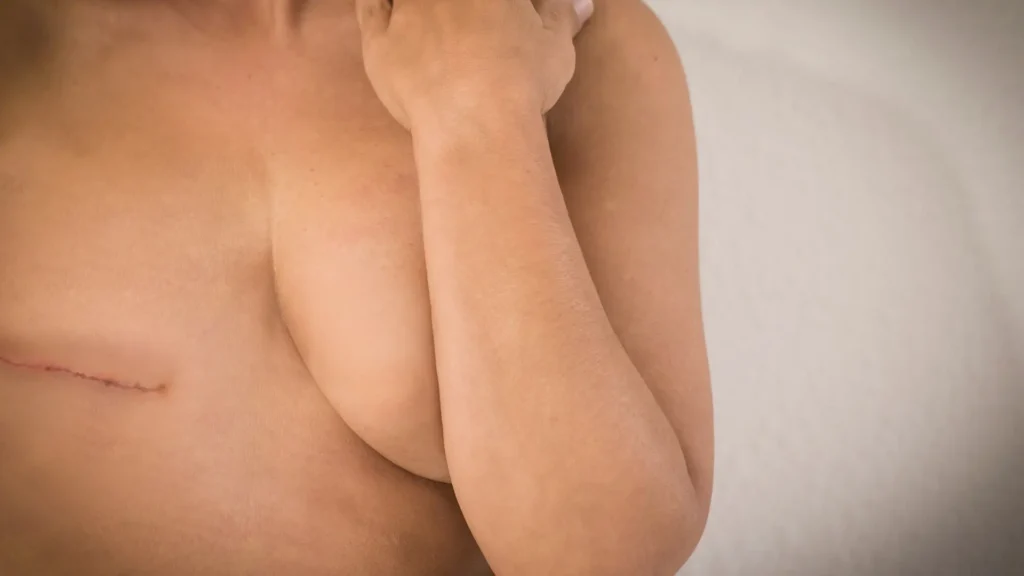
The scars are generally minimal and hidden either inside the mouth or under the chin. They are small, discreet, and often concealed within the natural skin fold.
In both techniques, the plastic surgeon aims to minimise scarring and achieve the most natural chin appearance possible. Following all postoperative care instructions is essential for optimal healing and a quicker recovery.
Technical Description
The steps of mentoplasty vary depending on whether the procedure involves augmentation or reduction, as well as the patient’s specific needs and goals:
- Consultation: The first step is a consultation with a qualified and experienced plastic surgeon. The surgeon will assess facial structure, discuss goals and expectations, and determine the suitability of the procedure.
- Preoperative preparation: The patient may be advised to stop taking medications that interfere with blood clotting, such as aspirin or anti-inflammatories.
- Anaesthesia: Mentoplasty is usually performed under general anaesthesia or intravenous sedation combined with local anaesthesia.
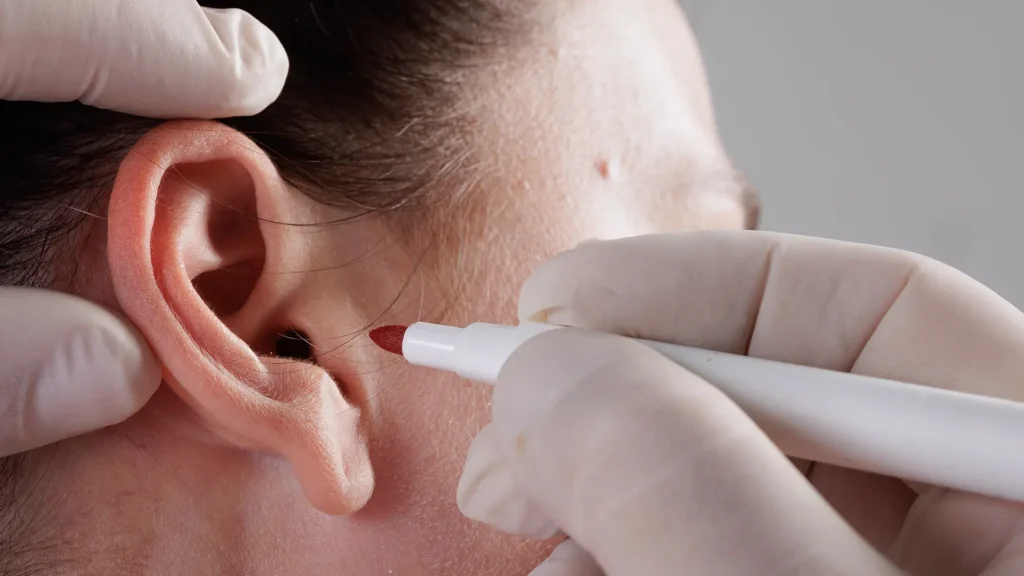
- Incision: The surgeon makes an incision under the chin or inside the mouth to access the chin bone or insert the silicone implant.
- Chin modification: The bone is reshaped or the implant is inserted, depending on whether augmentation or reduction is being performed.
- Closure: Once the desired shape is achieved, the incision is closed with sutures.
- Recovery: After surgery, the patient is monitored in a recovery area. Following all postoperative instructions ensures a safe and smooth healing process.
- Results: Results are visible immediately after surgery, although swelling and healing may take time before the final outcome is fully apparent.
Mentoplasty, like all surgeries, involves risks and should only be performed by a qualified, experienced plastic surgeon.
Type of Anaesthesia
The type of anaesthesia used in mentoplasty depends on the patient’s preference, the complexity of the procedure, and the surgeon’s recommendation. The main options are:
- Local anaesthesia: Applied directly to the chin area to numb it and prevent pain, usually combined with sedation for comfort during minor procedures.
- General anaesthesia: Used for more extensive surgeries or when combined with other procedures.
The choice of anaesthesia depends on the complexity of the surgery, the patient’s health, and personal preference. The surgeon will discuss the risks and benefits of each option to determine the most suitable approach.
Results and Benefits
Mentoplasty can offer several results and benefits, depending on individual needs and goals:
- Improved facial profile: Corrects chin prominence or recession, creating facial balance and aesthetic harmony.
- Chin size adjustment: Can increase or decrease chin size as needed.
- Enhanced self-esteem: Improves self-confidence through facial symmetry and proportionality.
- Better chewing and speech function: Correcting jaw misalignment can improve mastication and speech in certain cases.
The benefits of mentoplasty can be physical, aesthetic, and psychological. It can enhance facial appearance, correct functional issues, and boost confidence. However, as it is a surgical procedure, it must be carefully considered and discussed with an experienced plastic surgeon.
Recovery
Recovery time varies by patient, but typically includes:
- Swelling and bruising: Common in the chin area and may take several weeks to subside.
- Pain and discomfort: Mild pain or tightness is expected during the first few days and can be managed with prescribed medication.
- Dietary restrictions: A liquid or soft diet may be required for the first few days to avoid disturbing the operated area.
- Rest and wound care: Adequate rest and avoiding strenuous activities are essential during the first weeks. The surgeon will provide wound care instructions and prescribe medication to prevent infection.
- Return to activities: Recovery time and return to normal activities depend on the extent of the surgery and the individual’s healing rate. Full recovery generally takes a few weeks.
Following the surgeon’s postoperative instructions is crucial for safe and effective recovery.
Post-operative Care
Proper postoperative care is vital to ensure smooth healing and optimal results:
- Rest: Avoid strenuous activity and heavy lifting for several weeks.
- Diet: Follow a liquid or soft diet during the initial recovery phase.
- Wound care: Keep the area clean and dry; avoid touching or scratching the incision.
- Medication: Take prescribed painkillers and antibiotics as directed.
- Sleep position: Keep the head elevated to reduce swelling.
- Avoid smoking: Smoking delays healing and increases complication risks.
- Avoid sun exposure: Protect the area from direct sunlight and use sunscreen if exposed.
Following the surgeon’s instructions closely ensures a safe, successful recovery and the best possible aesthetic outcome.