Labiaplasty, also known as nymphoplasty, is a surgical procedure designed to reshape or reduce the size of the labia minora (inner vaginal lips). Some women are born with more prominent labia, while others may develop this appearance over time due to factors such as childbirth, hormonal changes, or ageing.
The procedure usually involves removing a small portion of tissue from the labia minora to create a more balanced and harmonious appearance. It must be performed by a qualified plastic surgeon to ensure safety and achieve the best possible aesthetic and functional outcomes.
While labiaplasty can provide physical relief and aesthetic satisfaction for many women, a proper medical evaluation and an open discussion about risks, benefits, and expectations are essential before deciding to undergo surgery.
Labiaplasty may benefit women who have physical, aesthetic, or functional concerns regarding the appearance or size of their labia minora.
Physical discomfort:
Women who experience discomfort caused by friction or pulling of the labia during daily activities such as walking, running, cycling, or wearing tight clothing may benefit from the procedure.
Discomfort during sexual intercourse:
The size or shape of the labia may cause pain or discomfort during sexual activity, making labiaplasty a valid option for relief.
Aesthetic concerns:
Some women feel self-conscious or dissatisfied with the appearance of their genital area and seek labiaplasty to improve its aesthetic appearance.
Hygiene issues:
In some cases, prominent labia can make proper hygiene more difficult, increasing the risk of irritation or infection.
Asymmetry:
For women with noticeable labial asymmetry, labiaplasty can help achieve a more balanced appearance.
Improved self-esteem:
Dissatisfaction with genital appearance can affect a woman’s confidence and body image. Correcting these concerns can lead to increased self-esteem and emotional well-being.
Reconstruction after trauma or mutilation:
In some cases, labiaplasty is performed as part of reconstructive surgery following trauma, previous surgical interventions, or female genital mutilation.
Because the procedure involves removing excess tissue, it naturally results in some scarring. However, these scars are designed to be as discreet as possible.
Location:
Scars are typically located along the edge of the labia minora.
Characteristics:
Genital tissue has an exceptional healing capacity, meaning labiaplasty scars are often thin, faint, and barely noticeable over time.
Suturing techniques:
Absorbable stitches are used, so removal is not necessary. The suturing technique is designed to minimise tension, improving healing quality and scar appearance.
Labiaplasty is a surgical procedure aimed at reducing and/or reshaping the labia minora.
Pre-operative assessment:
Before the procedure, the surgeon evaluates the patient’s anatomy and discusses specific concerns and expected results.
Anaesthesia:
The procedure can be performed under local anaesthesia, sedation, or general anaesthesia, depending on the surgeon’s and patient’s preference.
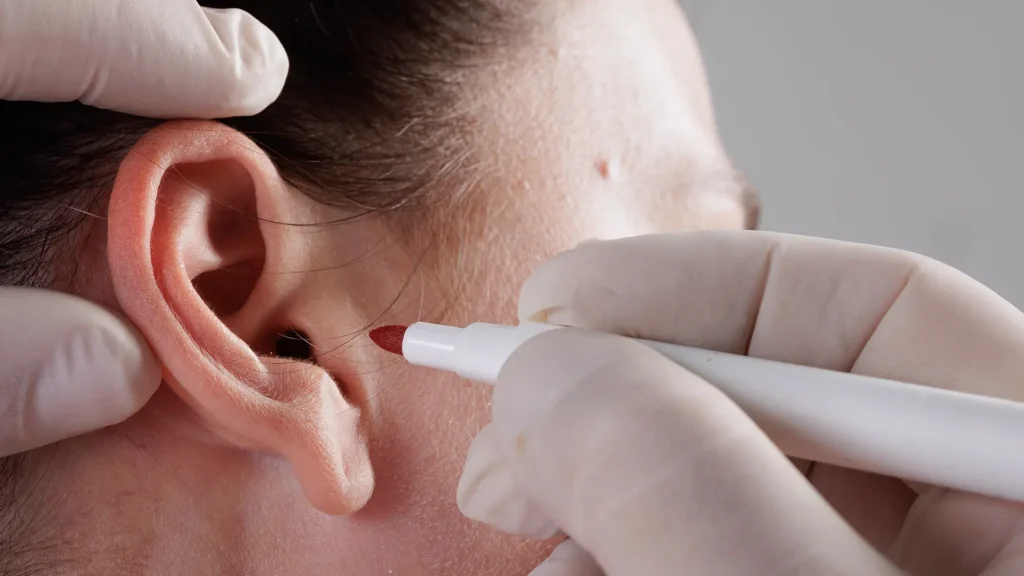
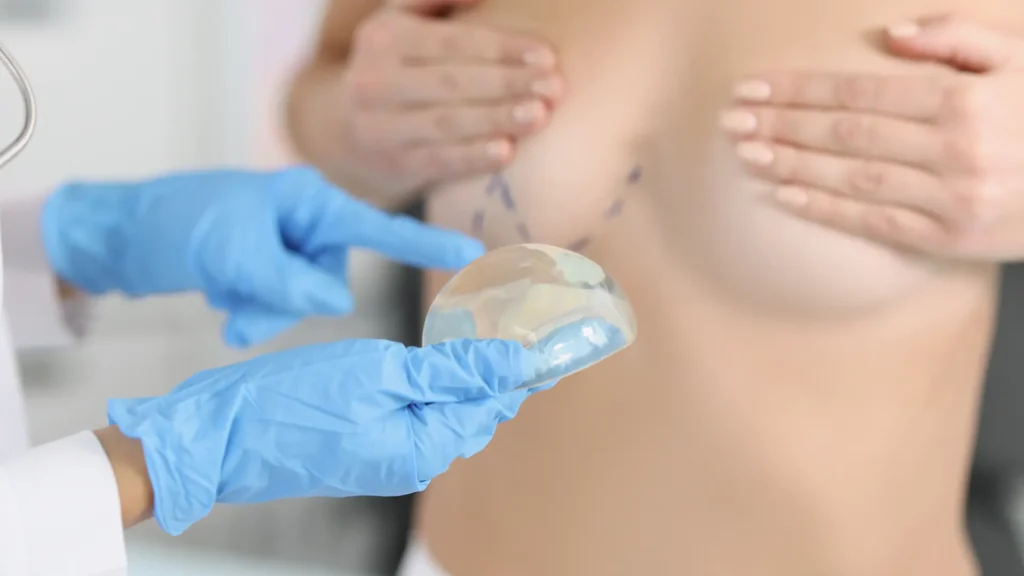
Marking:
The surgeon marks the area to be removed to ensure accuracy and symmetry.
Incision techniques:
The most common methods are:
Tissue removal:
Using one of the above techniques, the surgeon carefully removes the excess tissue.
Suturing:
The incision is closed with absorbable stitches that dissolve naturally.
The type of anaesthesia used depends on the complexity of the procedure, patient comfort, and clinical considerations.
Local anaesthesia:
Used for simpler procedures involving limited tissue removal. The area is numbed with a local anaesthetic injection, and the patient remains awake but pain-free.
Local anaesthesia with sedation:
For anxious patients or those who prefer not to be fully aware during surgery, sedation may be combined with local anaesthesia. The sedative, administered intravenously, induces deep relaxation and partial or full sleep.
General anaesthesia:
Less common but sometimes used for more complex cases or when combined with other procedures. The patient remains completely asleep throughout.
The choice of anaesthesia is made jointly by the surgeon and anaesthetist, based on the patient’s health, procedure complexity, and personal preference.
Aesthetic improvement:
The main goal of labiaplasty is to create a more symmetrical and balanced appearance. It can correct asymmetries or reduce protruding labia that may be visible through clothing.
Physical comfort:
Protruding or uneven labia can cause discomfort during sports, physical activity, or when wearing tight clothing. Labiaplasty alleviates this discomfort by reducing friction and pressure.
Improved hygiene:
Reducing excess tissue can help prevent moisture retention, irritation, and recurrent infections, making hygiene easier to maintain.
Pain relief during intercourse:
Labiaplasty can reduce discomfort or pain caused by stretching or friction of the labia during sexual intercourse.
Increased confidence and self-esteem:
By improving genital appearance, many women feel more confident and comfortable with their bodies.
Correction after trauma or childbirth:
The procedure can restore the labial shape altered by childbirth, trauma, or previous surgeries.
Permanent results:
Since the excess tissue is removed, the results are generally long-lasting. However, natural changes due to ageing, pregnancy, or weight fluctuations can still affect the area over time.
Recovery after labiaplasty is usually well tolerated. Following the surgeon’s aftercare instructions is crucial for a smooth healing process and optimal results.
Swelling and bruising:
Some swelling and bruising are normal and usually subside after the first week.
Pain and discomfort:
Mild pain or tenderness may occur during the first few days and is manageable with prescribed medication.
Activity restrictions:
Avoid strenuous physical activities or heavy exercise for around four to six weeks.
Hygiene:
Keep the area clean and dry at all times.
Medication:
Take prescribed painkillers and antibiotics as directed.
Clothing:
Wear loose, cotton underwear to prevent irritation. Avoid tight clothing.
Avoid strain:
Refrain from lifting heavy objects or any activity that puts pressure on the area.
Hydration and diet:
Stay hydrated and maintain a balanced diet to promote healing.