High-definition liposuction is an advanced body contouring technique that allows for precise sculpting and enhanced definition. This procedure is particularly popular among individuals seeking a more athletic or muscular appearance, as it removes fat from specific areas while accentuating the underlying muscle structure — often complemented by strategic fat grafting to improve definition.
Ideal candidates for high-definition liposuction are those in good overall health, with a stable weight and a body mass index (BMI) within the normal range. Candidates should have realistic expectations and be committed to maintaining a healthy lifestyle after surgery to preserve the long-term results.
It is important to emphasise that high-definition liposuction is not a weight-loss solution and should not replace a balanced diet and regular exercise. Patients must discuss their goals and expectations with an experienced plastic surgeon to determine whether this procedure is suitable for them.
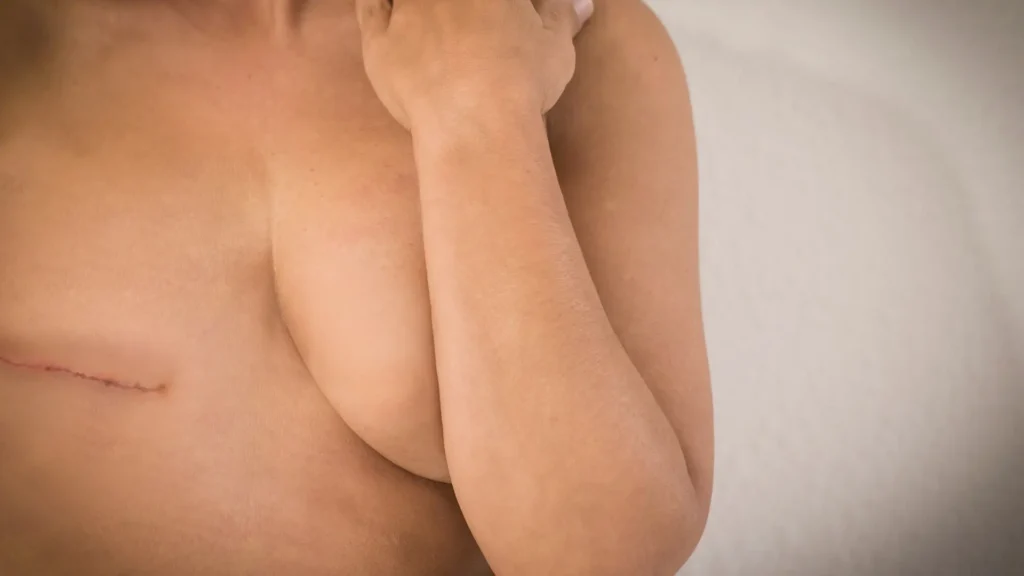
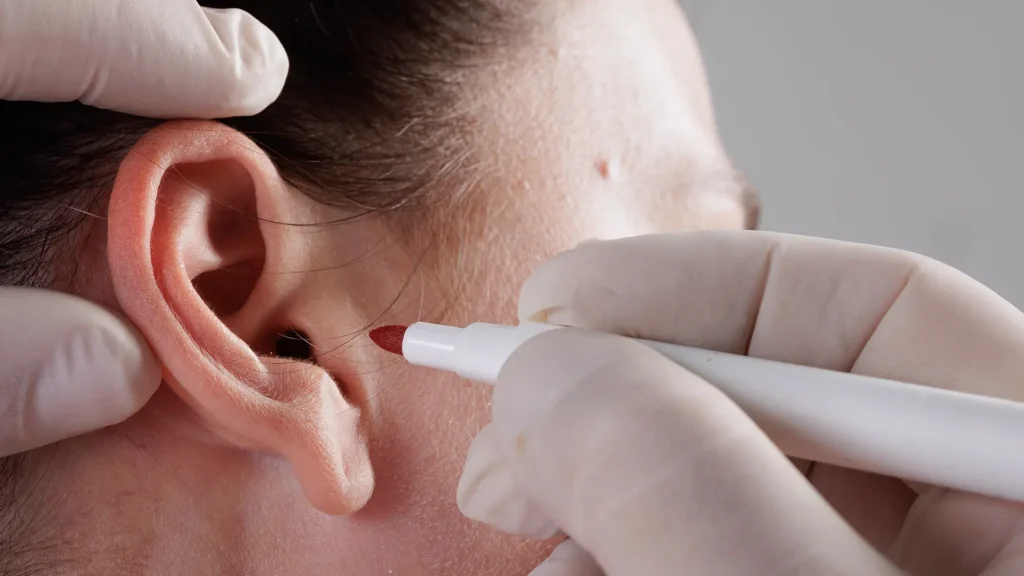
The scars resulting from high-definition liposuction are generally small and discreet because the technique uses fine, specialised cannulas inserted through small incisions in the skin — typically less than 1 cm in length.
These incisions are strategically placed in natural skin folds, such as the groin or armpit creases, to make scars less visible. Over time, they tend to fade gradually and become barely noticeable.
However, scar healing varies from person to person and depends on factors such as genetics, age, skin quality, and post-operative care. It is essential to follow the surgeon’s instructions on scar management, including sun protection and the use of topical creams or ointments.
During high-definition liposuction, the surgeon uses specific cannulas to target both deep and superficial fat layers, creating greater muscle definition and contour.
The procedure can be performed under different types of anaesthesia depending on the patient’s needs and the surgeon’s recommendations:
General anaesthesia:
The most common option, preferred for extensive procedures or when multiple body areas are treated.
Local anaesthesia with sedation:
A local anaesthetic solution is applied to the treatment area, combined with sedation to keep the patient comfortable and relaxed throughout the procedure.
High-definition liposuction offers a combination of aesthetic enhancement and confidence-boosting benefits. The most notable include:
Enhanced muscle definition:
This technique is ideal for patients seeking a more athletic, sculpted, and toned look. It highlights underlying muscles such as the abdominals, pectorals, and glutes.
Reduction of localised fat:
Removes stubborn fat deposits resistant to diet and exercise, improving body contours and definition.
Improved self-esteem and confidence:
A more defined and proportionate body can significantly boost confidence and body satisfaction.
Long-lasting results:
Results are typically durable, provided the patient maintains a healthy lifestyle and stable weight after surgery.
Most patients can return to work approximately two weeks after the procedure.
Proper aftercare is essential for smooth recovery and optimal results. Key recommendations include:
Compression garments:
Wear compression clothing continuously for 4 to 6 weeks to reduce swelling and support body contouring.
Avoid strenuous activity:
Refrain from heavy exercise, running, or weight training for at least four weeks after surgery.
Rest:
Allow sufficient rest during the first week and avoid excessive exertion.
Medication:
Take prescribed medication as directed to manage pain and swelling.
Healthy diet:
Follow a balanced, nutritious diet to aid recovery and maintain results.
Follow-up appointments:
Attend regular post-operative visits to monitor healing and ensure there are no complications.
Avoid smoking:
Smoking can interfere with healing and increase the risk of complications, so it should be avoided during recovery.
Following all medical advice carefully is crucial to ensure a safe recovery and achieve the desired long-term results.