What is it?
Surgical mole removal is a procedure performed to remove nevi (moles) from the skin. A nevus (plural: nevi) is a small spot or bump that may be present from birth or develop over time.
Some people choose to remove moles for aesthetic reasons or because they are bothersome — for example, if they are frequently irritated by clothing or jewellery.
While most moles are benign (non-cancerous), some may develop into melanoma, a type of skin cancer. Therefore, moles that change in colour, shape, or size, or cause itching or bleeding, should be removed and analysed to rule out malignancy.
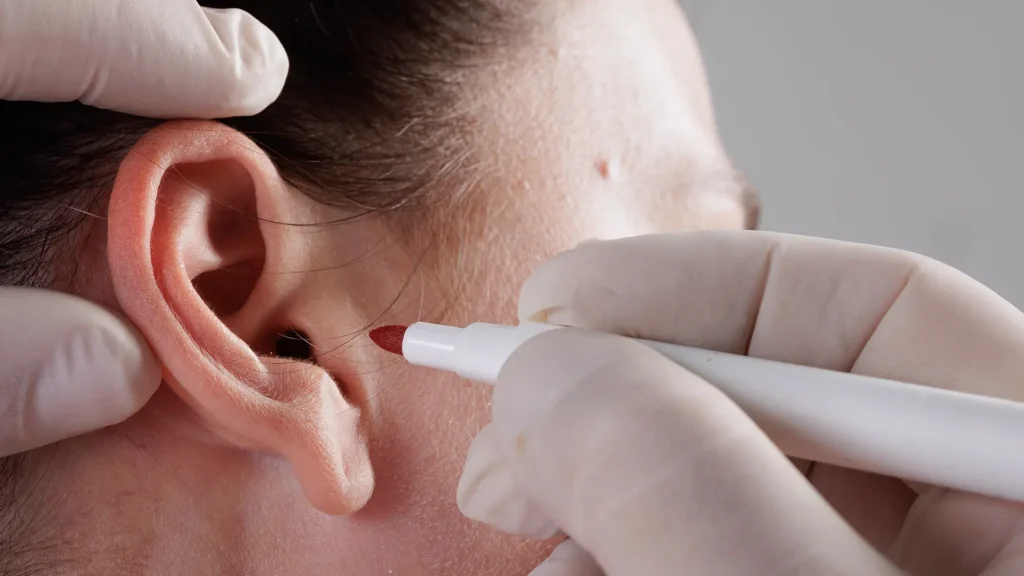
The procedure is usually done on an outpatient basis under local anaesthesia. The doctor — ideally a plastic surgeon or dermatologist — excises the mole along with a small margin of surrounding skin, and the removed tissue is sent for laboratory analysis. The size and depth of the incision depend on the mole’s dimensions and location.
Who is it for?
Mole (nevus) removal may be indicated for both medical and aesthetic reasons:
- Suspected skin cancer: If a mole shows signs of malignancy — such as changes in colour, shape, or size, or symptoms like itching, bleeding, or pain — it should be excised for biopsy and possible treatment.
- Itching or discomfort: Moles in areas subject to friction from clothing, belts, jewellery, or shaving can be removed to prevent irritation.
- Aesthetic reasons: Some people remove moles for cosmetic improvement, especially if they are large, raised, or on visible areas like the face.
- Family history of skin cancer: Individuals with personal or family history of melanoma or other skin cancers may be advised to remove atypical or suspicious moles as a preventive measure.
- Large congenital nevi: Some large birth moles carry a higher risk of malignancy and may be removed as a precaution.
- Symptomatic nevi: Moles causing persistent pain, itching, inflammation, or bleeding are candidates for removal.
It is essential that anyone considering mole removal consults a qualified dermatologist or plastic surgeon for proper evaluation.
Scars
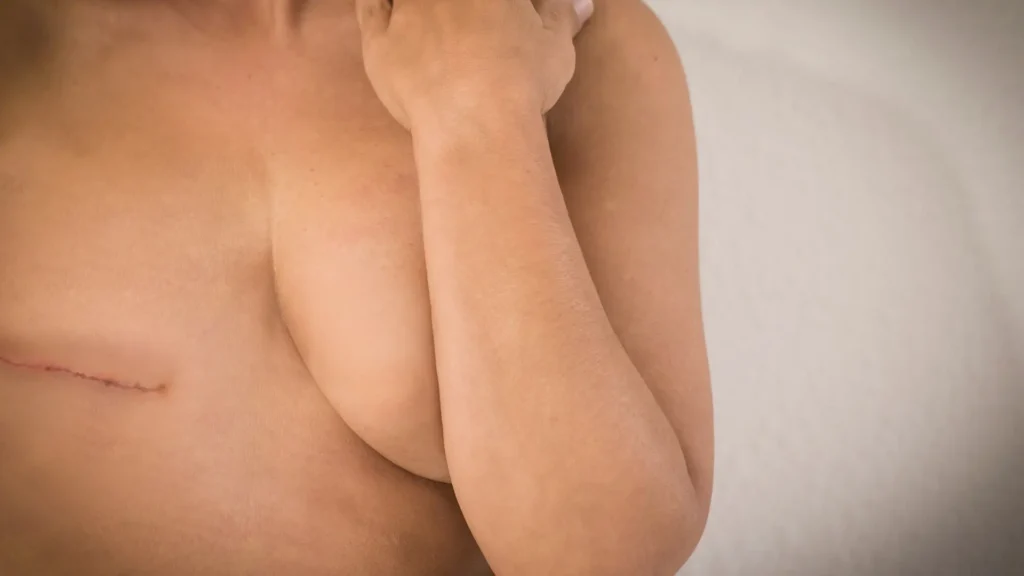
The appearance of a scar after mole removal depends on several factors: the size and location of the mole, the excision technique used, the patient’s skin type, and adherence to post-operative care instructions.
Technical Description
- Anaesthesia: Local anaesthesia is applied to numb the area, ensuring a painless procedure.
- Excision: The doctor uses a scalpel to remove the mole, along with a small margin of healthy skin. The depth depends on the type and clinical suspicion.
- Suturing: If the incision is deep or wide, stitches may be required. Smaller, superficial removals may heal without sutures.
- Histopathological analysis: The removed tissue is often sent to a laboratory, especially when malignancy is suspected.
Types of Anaesthesia
In most cases, local anaesthesia is used. It is safe, effective, and provides complete comfort during the procedure.
In rare cases involving large or complex nevi, general anaesthesia may be considered.
Results and Benefits
- Prevention and treatment of malignancy: Removing suspicious or atypical moles can prevent melanoma or treat early-stage skin cancer.
- Symptom relief: Eliminates discomfort, itching, or irritation caused by moles.
- Aesthetic improvement: Enhances appearance and boosts self-esteem by removing unsightly or prominent moles.
- Elimination of physical irritation: Moles located in friction-prone areas (e.g. under belts or bra straps) can be removed for greater comfort.
- Peace of mind: The removal and subsequent pathology provide reassurance for patients concerned about potential malignancy.
Recovery
Recovery after mole removal is straightforward and well-tolerated. Most patients can return to normal activities immediately, except when the excision is on a cosmetically sensitive area (e.g. eyelid, nose).
Mild discomfort is normal and typically subsides within a few days.
Post-Operative Care
- Keep the area clean and dry: Prevent infection by maintaining hygiene. Gentle washing with water and mild soap may be allowed after a few days, as instructed.
- Use prescribed ointments: Apply healing or antibiotic creams as directed to promote recovery and prevent infection.
- Avoid sun exposure: Protect the healing area from sunlight to prevent scar darkening. Use high-SPF sunscreen if exposure is unavoidable.
- Avoid strenuous activity: Prevent trauma to the incision until healing is complete. Follow medical advice on when to resume exercise.
- Hydrate the skin: Keep surrounding skin moisturised, but avoid applying products directly to the wound unless prescribed.
- Avoid smoking: Nicotine delays healing and increases the risk of complications.
Always follow the surgeon’s specific instructions and promptly report any unusual symptoms such as redness, swelling, or discharge.