Cervical liposuction, also known as neck liposuction, is a minimally invasive surgical procedure designed to remove excess localised fat from the neck and chin area.
Cervical liposuction is an option for patients with submental fat accumulation, which can result in the appearance of a double chin, and who wish to improve the aesthetic appearance of the neck and chin region.
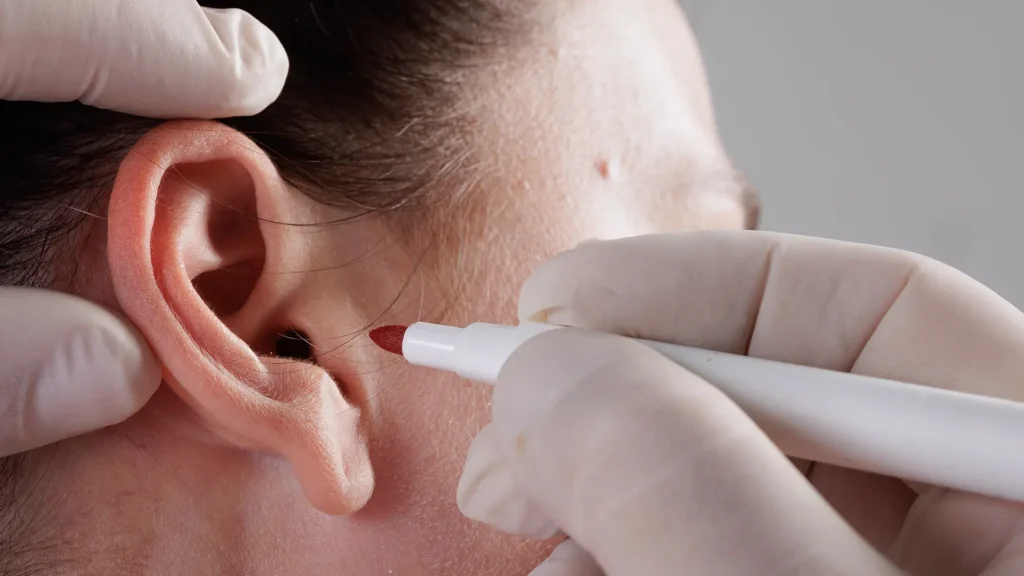
During cervical liposuction, the plastic surgeon makes small incisions below the chin and behind the ears and inserts a fine cannula to aspirate the excess fat. The procedure is generally performed under local anaesthesia with conscious sedation and may take a few hours, depending on the extent of the liposuction.
Cervical liposuction is a relatively safe and effective technique for fat removal in the neck and chin region, but it is important that patients understand that the procedure is not a treatment for skin laxity or excessive adipose tissue. It is essential to discuss all treatment options with a qualified plastic surgeon to determine whether cervical liposuction is the most suitable option for the patient’s needs and aesthetic goals.
Cervical liposuction is indicated for people who have excess submental fat, which can result in a double chin, and wish to improve the aesthetic appearance of the neck and chin area. It is generally performed on patients who are:
However, cervical liposuction is not a solution for skin laxity or excessive tissue. People with excess skin on the neck or chin, or who have a very short or receded chin, may not be good candidates for cervical liposuction and may require other procedures such as a facelift or mentoplasty to achieve the desired results.
It is important to discuss expectations and aesthetic goals with a qualified plastic surgeon before deciding on cervical liposuction. The surgeon can assess the patient’s physical characteristics and skin elasticity, as well as discuss the risks and benefits of the procedure and alternative treatments to support an informed decision.
The scars from cervical liposuction are generally very small and discreet, as the surgeon makes small incisions below the chin and behind the ears to insert a fine cannula for fat removal. These incisions are usually closed with stitches that are removed after a few days.
Since the incisions are small, the resulting scars are also minimal and can be easily hidden by hair. Over time, they usually fade and become barely perceptible.
However, scar appearance can vary depending on age, genetics, skin quality, and postoperative care. Following all the surgeon’s instructions is essential to minimise complications and ensure smooth recovery and optimal healing.
The steps of cervical liposuction may vary depending on the surgeon’s preferences and the patient’s specific needs. In general, the procedure includes:
The total duration of the procedure varies depending on individual needs but generally takes about one to two hours.
Types of anaesthesia used in cervical liposuction include:
The type of anaesthesia is chosen based on the patient’s individual needs and the surgeon’s preferences. The options are discussed before surgery to determine the most appropriate choice.
Cervical liposuction can enhance the appearance of the neck and chin by removing excess fat and improving contour. Its main results and benefits include:
The results are generally long-lasting, provided the patient maintains a healthy lifestyle and stable weight after the procedure. It is important to note that cervical liposuction is not a general weight loss solution and should not replace a healthy diet and lifestyle.
Recovery after cervical liposuction is generally quick but varies depending on the procedure’s extent and the patient’s health. Some patients can resume normal activities within a few days, while others may need a week or more for full recovery.
After the procedure, some swelling, bruising, and mild discomfort in the treated area are expected. Cold compresses are usually recommended to reduce swelling and discomfort. Physical activity and rest instructions must be followed strictly to ensure proper recovery.
During recovery:
Most patients can resume normal activities within a few days to a week. Follow-up appointments will be scheduled to monitor healing and make any necessary adjustments.
Postoperative care is essential to ensure proper healing and avoid complications:
It is essential to follow all the surgeon’s instructions and report any sign of complication immediately.