What is it
Breast reconstruction is a surgical procedure performed to restore the shape, volume, and appearance of one or both breasts after a mastectomy (complete breast removal) or lumpectomy (partial removal), typically due to breast cancer.
There are several reconstruction techniques, including:
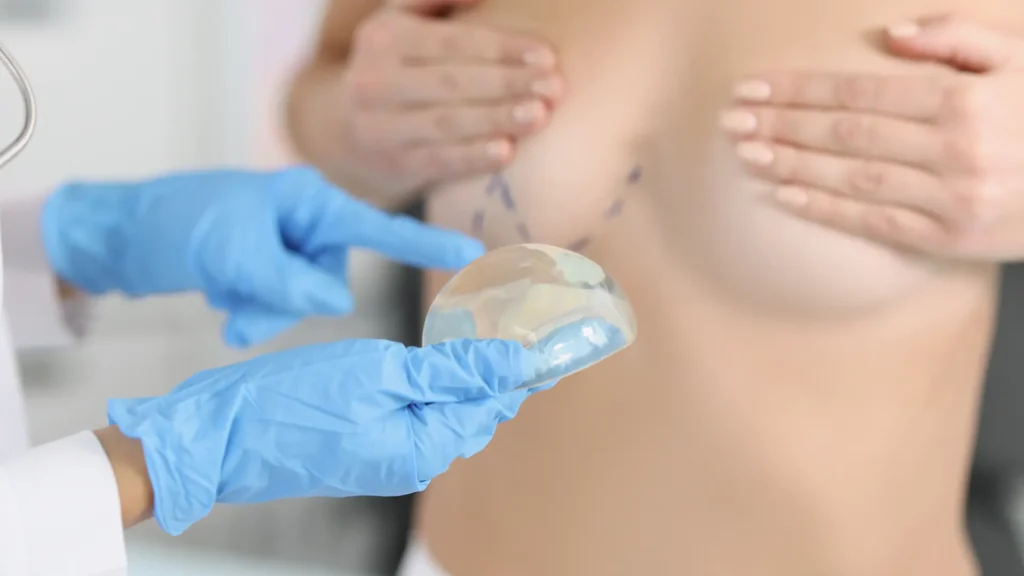
- Implant/Prosthesis Reconstruction: Uses silicone implants to recreate the breast contour.
- Autologous Reconstruction: Uses the patient’s own tissue (skin, fat, and muscle) taken from another body area, such as the abdomen or back.
- Combined Techniques: A combination of implants and autologous tissue.
- Nipple and Areola Reconstruction: Performed at a later stage to recreate the nipple-areola complex using local tissue or tattooing.
Reconstruction can be immediate (at the same time as the mastectomy) or delayed (after cancer treatment or recovery), depending on medical circumstances and patient preference.
It plays a crucial role in improving self-esteem and quality of life following breast loss.
Who is it for
Breast reconstruction is primarily indicated for women who have undergone full or partial breast removal due to cancer or similar conditions. Eligibility depends on individual factors, including overall health and treatment plan.
Indications include:
- After mastectomy or lumpectomy: To restore the breast’s natural contour and symmetry.
- Informed and motivated patients: Those with realistic expectations who wish to restore body image and confidence.
- Good general health: No serious or uncontrolled medical conditions that could interfere with healing.
- Absence of contraindications: Such as ongoing treatments or specific health issues.
- Personal decision: For women who feel reconstruction will support emotional recovery and body confidence.
The decision is highly individual and should be made in consultation with the plastic surgeon and oncology team, considering medical, aesthetic, and personal factors.
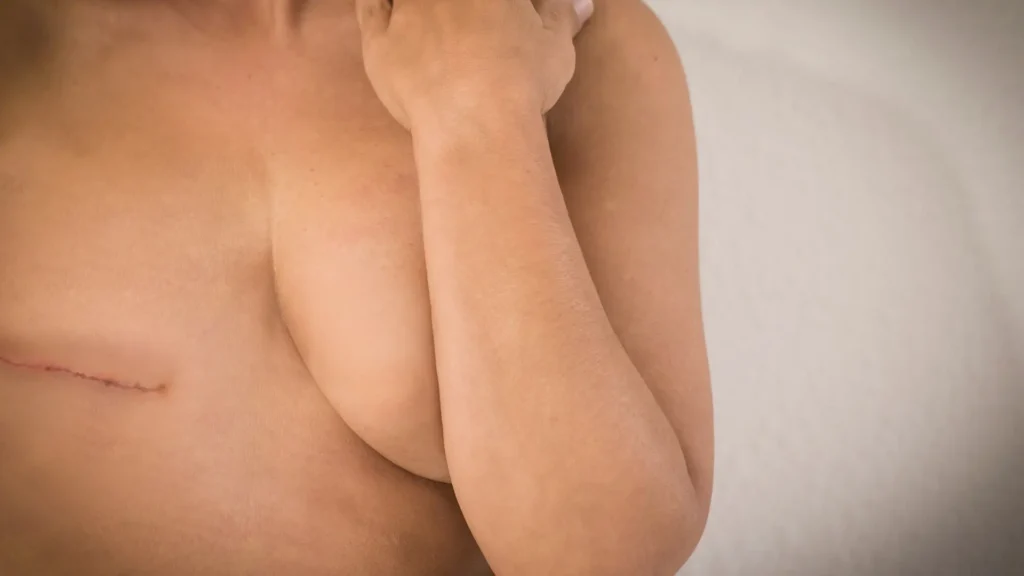
Scars
Scars depend on the reconstruction method and surgical approach:
- Implant Reconstruction:
May leave a circular or elliptical scar around the areola or a horizontal/vertical scar under the breast, depending on the incision site.
- Autologous Reconstruction:
Leaves scars at both the donor site (e.g. abdomen or back) and the reconstructed breast. The size and location depend on the tissue used.
- Nipple and Areola Reconstruction:
May leave a small circular scar in the reconstructed area.
Plastic surgeons plan incisions carefully to minimise visible scarring and may recommend post-surgical scar care to improve cosmetic outcomes.
Technical Description
Breast reconstruction can be performed using different methods:
1. Implant Reconstruction
- A tissue expander may be inserted first to gradually stretch the skin and create space for the implant.
- The expander is filled incrementally with saline over several weeks or months.
- After sufficient expansion, a second surgery replaces the expander with a permanent implant (silicone or saline).
- In immediate reconstruction, the implant may be placed during the same procedure as the mastectomy.
2. Autologous Reconstruction
- Skin, fat, and sometimes muscle are harvested from another body area (commonly the abdomen or back).
- The tissue is shaped and sutured to form a new breast mound.
3. Nipple and Areola Reconstruction
- Performed after healing, using local tissue flaps and/or medical tattooing to recreate the nipple-areola complex.
Each technique has its advantages and limitations, which the surgeon will discuss in detail based on the patient’s anatomy, health, and goals.
Type of Anaesthesia
The type of anaesthesia depends on the complexity of the procedure:
- General anaesthesia: Most common, keeping the patient fully asleep and pain-free during surgery.
- Local anaesthesia with sedation: Used for less invasive stages or revisions.
- Local anaesthesia alone: May be sufficient for nipple reconstruction.
The choice is determined jointly by the surgeon and anaesthesiologist, considering medical safety and patient comfort.
Results and Benefits
Breast reconstruction provides both aesthetic and psychological benefits, helping restore physical balance and emotional well-being.
Main benefits include:
- Restored appearance: Recreation of the breast’s natural shape, contour, and symmetry.
- Improved self-esteem: Many women experience a strong emotional recovery and renewed confidence.
- Body symmetry: Enhanced proportionality, making clothing fit more naturally.
- Personalisation: The procedure can be tailored to the patient’s anatomy and aesthetic goals.
- Long-lasting results: While refinements may be needed, the outcome is generally stable over time.
Recovery
Recovery time depends on the reconstruction type and the patient’s condition:
- Pain and swelling: Mild to moderate discomfort and bruising are normal in the first few days; pain medication is prescribed as needed.
- Limited mobility: Especially in autologous reconstructions involving muscle flaps; movement improves gradually over days.
- Drain care: Drains, if placed, are usually removed within 2–3 days.
Following all post-operative instructions and reporting any issues promptly are essential for proper healing.
Post-operative Care
Post-surgery care is vital to ensure healing and achieve the best possible results:
- Rest: Avoid physical exertion and allow time for recovery.
- Surgical bra: Provides support and helps reduce swelling.
- Scar care: Use of silicone sheets or prescribed creams to improve scar appearance.
- Medication: Follow medical prescriptions for pain relief and infection prevention.
- Movement precautions: Avoid lifting arms above the head or sudden movements for the first weeks.
- Return to activities: Light activities may resume after a few days; strenuous exercise should be avoided for 4–6 weeks.
- Follow-up visits: Regular check-ups to monitor healing, remove sutures or drains, and assess progress.
- Hydration and nutrition: Maintain good hydration and a balanced diet to promote recovery.
With proper care and surgical planning, breast reconstruction can restore both physical balance and emotional confidence, offering durable and natural-looking results.